R129 vs R44 Malaysia: What's the Difference and Why It Matters for Your Child
R129 vs R44 Malaysia explained — R129 i-Size is stricter, height-based, and includes mandatory side-impact testing. Here's what every parent needs to know.
Quick Answer
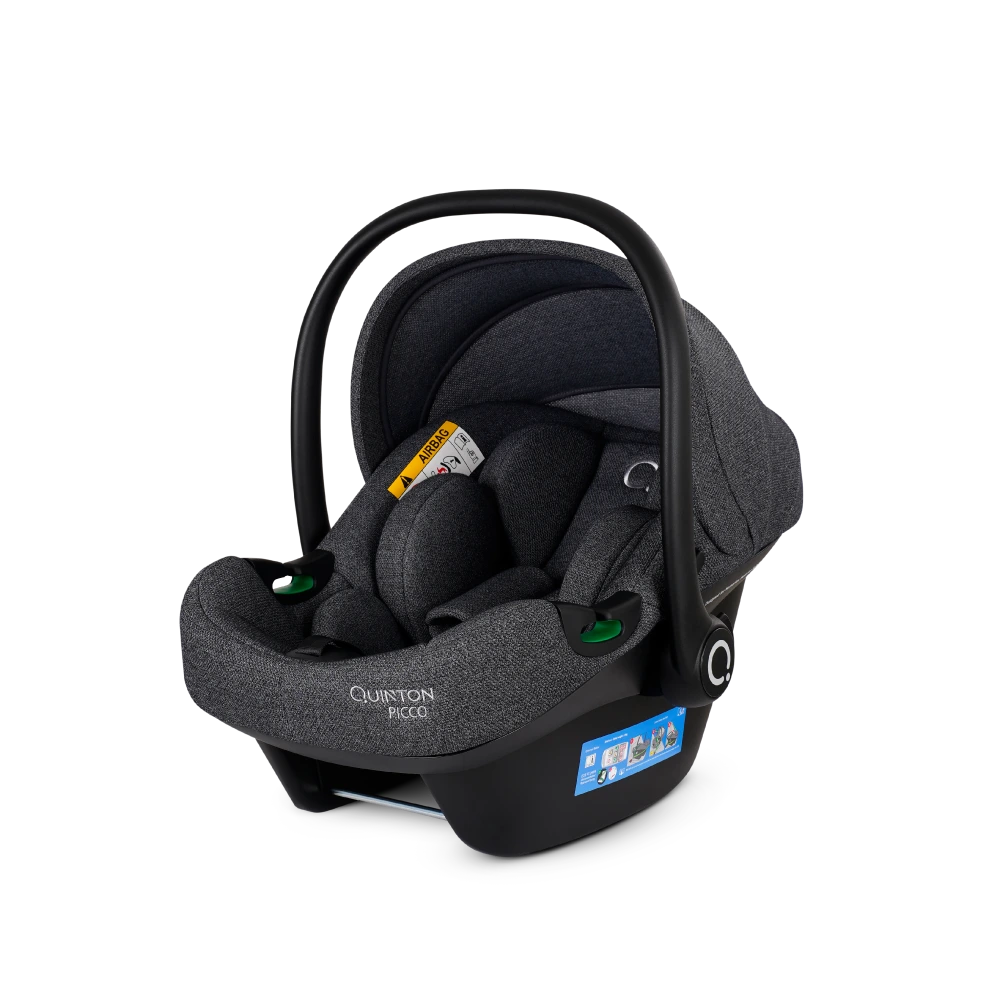
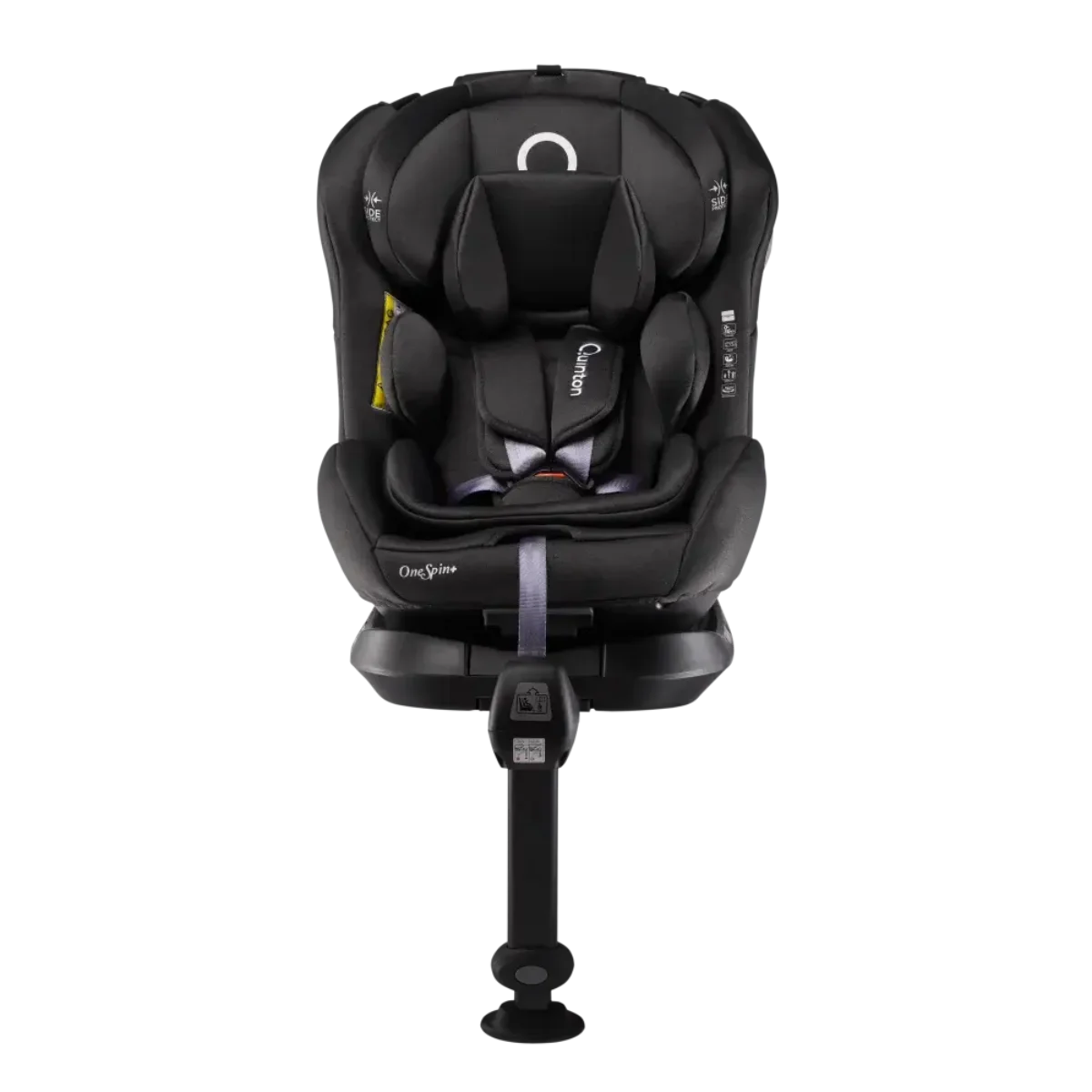
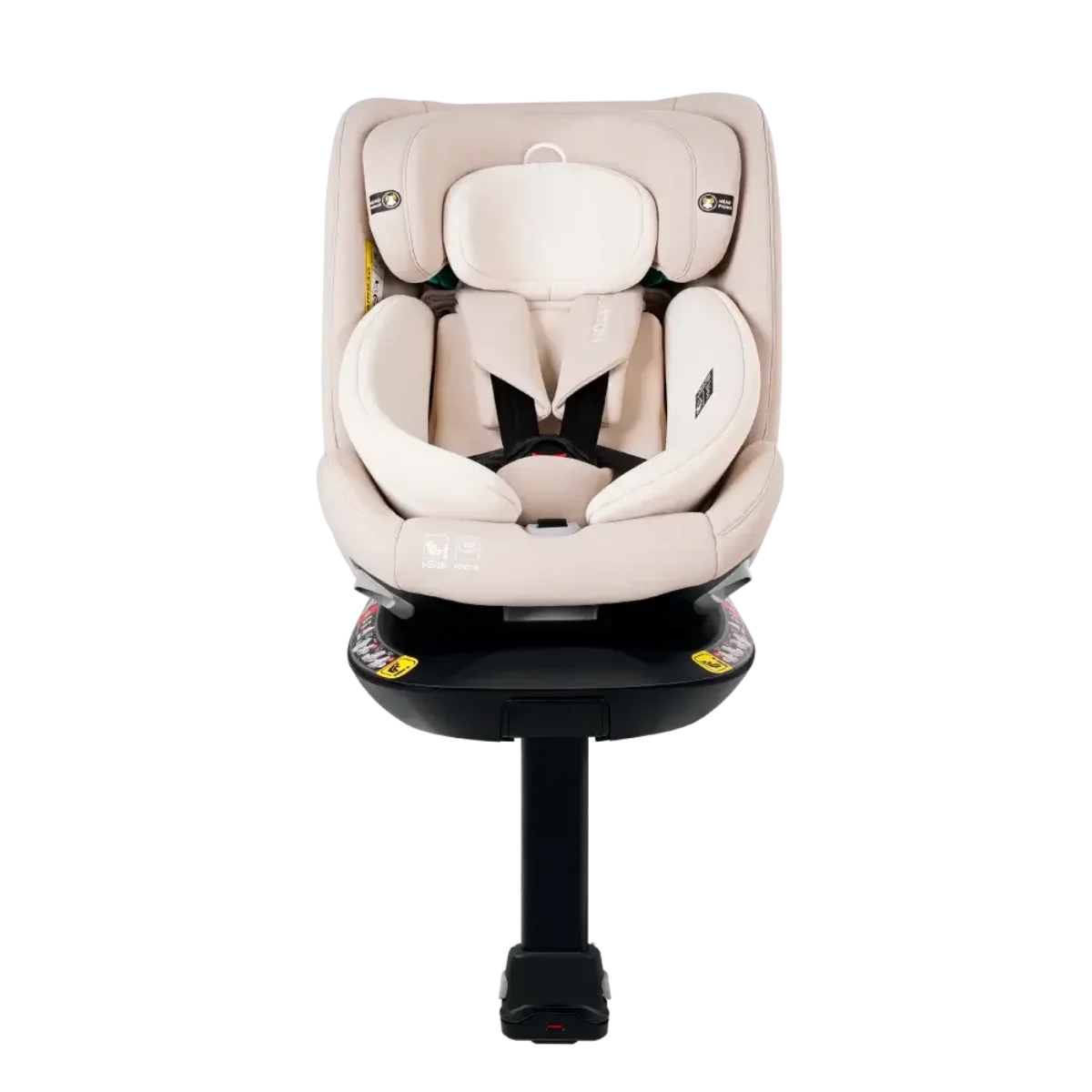
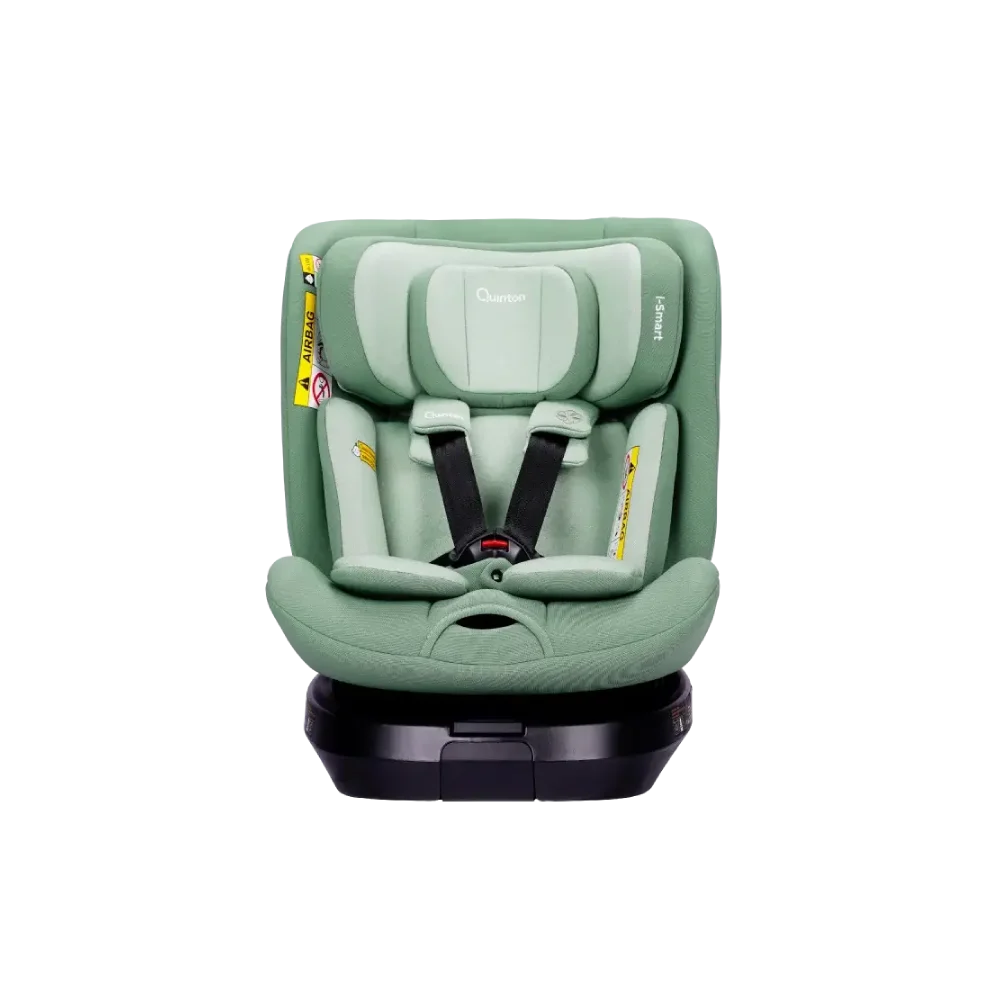
R129 vs R44 Malaysia is one of the most searched car seat questions among Malaysian parents today. R129 (also known asa i-Size) is the newer, stricter safety standard. R44 is the older standard that is still widely sold but being phased out globally. If you are buying a new car seat in Malaysia in 2026, always choose R129. Every Quinton Baby car seat meets R129 certification.
What Are These Standards and Who Sets Them?
Both R129 and R44 are safety regulations created by the United Nations Economic Commission for Europe (UNECE). They define how car seats are tested, certified, and labelled before they can be sold to consumers.
Malaysia does not yet have its own mandatory car seat standard, which means parents here have largely followed European regulations as the benchmark for what is safe. When you see either label on a car seat, it means the seat has passed independent crash testing in a certified laboratory.
The key difference is that R129 is a complete redesign of how car seats are tested and approved, not just a minor update to R44. Understanding R129 vs R44 Malaysia means understanding an entirely new approach to child passenger safety.
Old Standard vs New Standard: How R44 and R129 i-Size Compare
Car seat safety standards have come a long way. ECE R44 was the global benchmark for decades, but in 2013 a new standard arrived that changed everything. ECE R129, known commercially as i-Size, classifies car seats by your child's height instead of weight, which gives a more accurate fit at every stage of growth. By 2026 it has evolved to its most stringent version yet, R129/04, which is the certification carried by Quinton's most advanced seats including the SpinGuard 360 and Wowo 360. Here is how the two standards compare side by side.
| Feature | R44/04 | ECE R129 (i-Size) |
| Classification method | Weight-based | Height-based |
| Side-impact testing | Rear and front impact only | Rear, front, and side impact |
| Rear-facing requirement | Forward-facing allowed from 9 kg (around 9 months) | Mandatory rear-facing until at least 15 months, up to 105 cm |
| Installation | Seatbelt or ISOFIX (sometimes both) | ISOFIX only |
| Child Grouping | Yes (Groups 0+, 1, 2, 3) | No group classification |
| Current status | Being phased out | Active and evolving standard |
What the Version Numbers Mean
| Version | What Changed |
| R129/01 (2013) | The initial phase. It introduced height-based sizing, mandatory side-impact crash testing, and required children to stay rear-facing until at least 15 months old. It primarily covered ISOFIX car seats up to 105 cm. |
| R129/02 (2017) | Introduced regulations for larger booster seats (typically covering the 100-150 cm range) and added stricter standards for seat-to-vehicle compatibility. |
| R129/03 (2018) | Updated testing to allow and regulate belted installations (using seatbelts instead of just ISOFIX) and specified stricter regulations for 5-point harnesses and anti-rebound bars. |
| R129/04 (2024) | The most recent revision. It introduces enhanced definitions and testing for lower tether anchorages and extra safety measurements for belted, high-back booster seats. |
When comparing R129 vs R44 Malaysia options in a showroom or online, always check which version of R129 the seat carries. R129/04 is the highest level of certification available today.
What Malaysian Parents Should Look for When Buying
When shopping for a car seat in Malaysia, use this checklist:
| What to Check | What to Look For |
| Certification label | R129 and R44 for the most protection |
| Classification method | Height-based (R129) or weight-based (R44) |
| Side-impact testing | Confirmed mandatory under R129 |
| ISOFIX | Standard on all R129 and some of the R44 seats |
| Rear-facing support | Extended rear-facing to at least 105 cm or 18 kg |
| Version number | R129/04 is the current highest version |
FAQ